
Real Operations. Specific Numbers. Recoverable Costs.
Every case below started with an audit of actual dispatch logs, fuel records, and dock schedules. The figures are what we found and what was cut.
A 47-truck regional carrier had no named category for empty return miles in their dispatch records. Audit isolated 14% of weekly mileage running unloaded. Dispatch protocol was restructured; dead miles dropped from 14% to 3% within 60 days.
19% reduction in fuel spend per load
A 28-truck dry-van fleet was routing by driver preference, not optimized sequence. Fuel log analysis against manifest data exposed the gap. Optimized sequencing cut fuel cost per load from $187 to $152 average.
$22,400 / month recovered
41 minutes cut per loading cycle
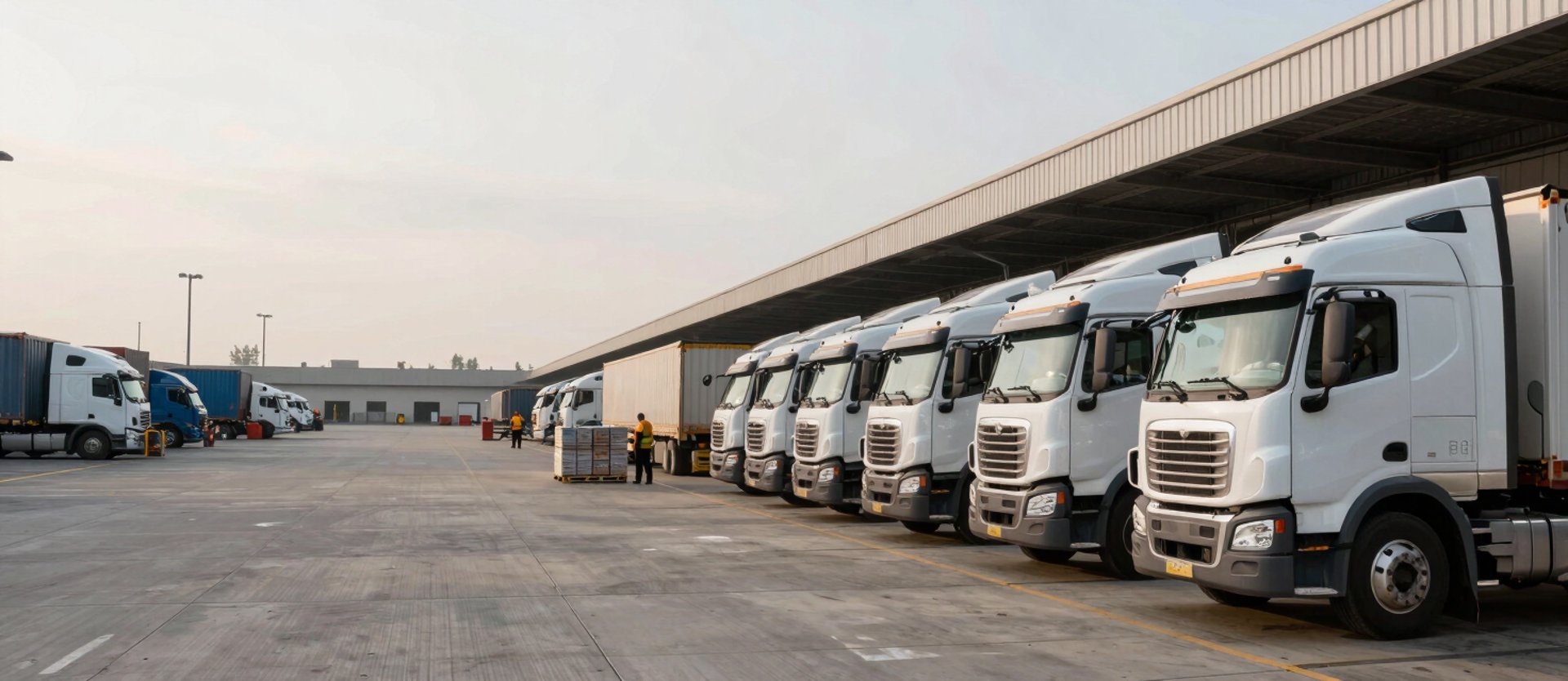
A three-dock distribution center averaged 112-minute loading cycles. Sequence audit found crew staging and manifest hand-off were adding 41 unrecovered minutes per load. Restaged process brought average cycle to 71 minutes.
Utilization lifted from 61% to 84%
An 18-unit owner-operator network was dispatching reactively, leaving trucks idle between loads. Capacity mapping against lane demand data identified 23 percentage points of unused productive hours per week.
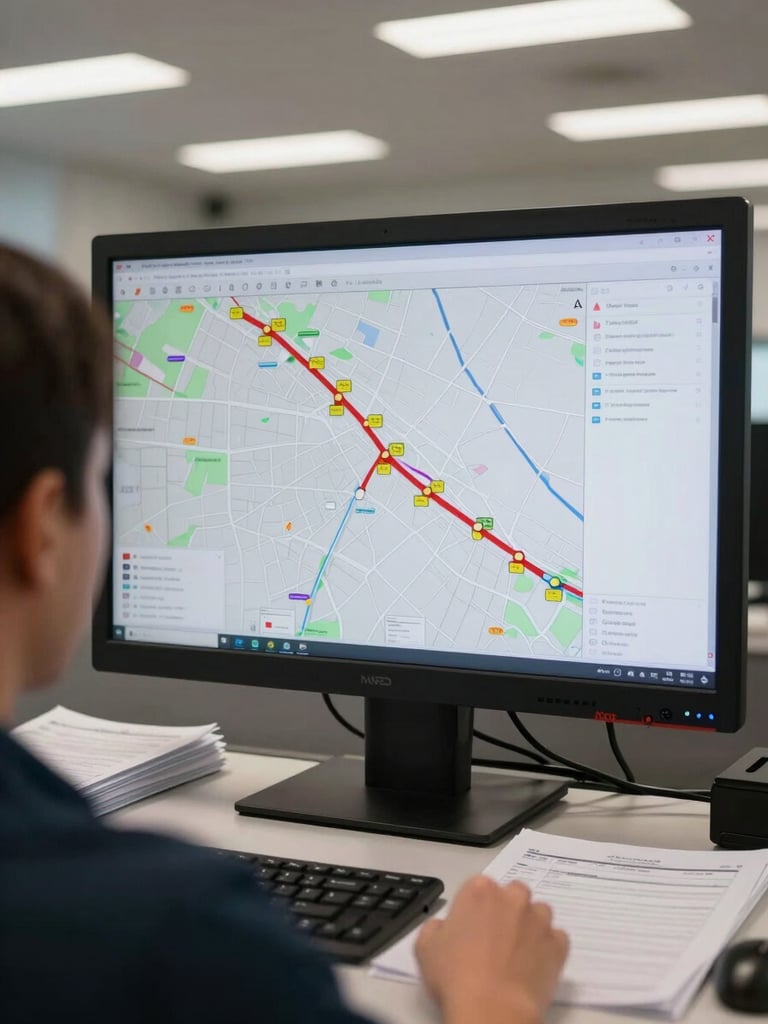
Unloaded return mileage running unnamed in dispatch records — invisible until route logs are audited against actual load sequences.
Every recovery traces to one of four sources.
Routing by habit rather than optimized sequence compounds fuel cost per revenue mile. The gap shows up in fuel logs measured against manifest weight and distance.
Staging, manifest hand-off, and crew sequencing errors add unrecovered time per loading cycle. Each minute of avoidable dwell is a recoverable cost.
Dead miles. Fuel per load. Dock dwell. Utilization gaps. These are the four categories where transportation operations leak margin — and where every S&X audit starts.
Trucks sitting idle between reactive dispatch decisions are capacity paid for but not used. Utilization mapping converts idle hours into scheduled productive runs.
What are your dispatch logs carrying that nobody has named?
We audit your routes, fuel records, and dock schedules. We tell you what the numbers say. No guesswork, no generic recommendations — just the specific costs your operation is carrying right now.